How Ethereum calculates fees
The BrefCrypto crypto glossary helps place gas within the network’s broader terminology. A simple transaction, a DEX swap and an NFT mint do not require the same amount of computation. Ethereum measures this work in gas units, then charges for each unit in gwei, a fraction of ETH.
The cost follows a direct formula: gas used × effective gas price. Since the introduction of EIP-1559, the price has included a base fee determined by the protocol and a tip, or priority fee, paid to the validator. The sender also sets a maximum fee, or max fee, to avoid paying above a certain level.
The base fee changes according to demand for block space. It rises when blocks fill up and falls when activity slows. Wallets generally calculate the parameters automatically, but users should check the total amount in their currency before signing.
The official Ethereum.org gas documentation explains this mechanism and notes that a failed transaction still consumes the work already carried out.
Gas limit and gas price are not the same thing
The gas limit is the maximum number of units a transaction can consume. The gas price is the amount paid for each unit. Arbitrarily lowering the limit therefore does not make an operation cheaper: if the contract requires more, execution stops and the fees already incurred go to the validator.
A simple ETH transaction normally consumes 21 000 units. A swap, an interaction with a bridge or a DeFi deposit may use considerably more because the smart contract executes several steps. Wallets often simulate the call to estimate the required limit. However, a poorly designed contract or a state change between simulation and inclusion can still cause a failure.
The max fee acts as a per-unit ceiling. If the network charges less, the wallet does not automatically spend the entire cap. It pays the effective base fee and tip, then releases the difference. This distinction helps prevent confusion between the maximum amount displayed and the final cost.
How to read an estimate before signing
A proper check covers four elements: the selected network, the requested action, the maximum cost and the amount received. An address or token with the same name on multiple networks can lead to an irreversible mistake. The block explorer guide explains how to track a transaction and review its parameters.
Compare the wallet’s estimate with a reputable gas tracker. A significant difference may result from an excessive tip, a cautious estimate or a complex contract. For an important operation, first test with a small amount when the protocol allows it.
Also check the approval being requested. A DEX may require an initial approve transaction, followed by a second transaction for the swap. The user then pays for two executions. Some interfaces bundle actions, while others add several signatures and successive transactions.
Choose a less congested time
Ethereum activity comes in waves. A token launch, mass liquidation or NFT campaign can congest blocks. For a non-urgent operation, waiting for the base fee to fall often reduces the cost without changing the gas limit.
Setting a reasonable cap can sometimes allow the wallet to broadcast the transaction until conditions improve. A value that is too low can, however, leave the operation pending. It may then need to be sped up using the same nonce and higher fees, or cancelled with a replacement transaction.
Do not send the same operation multiple times through different interfaces. You could create competing transactions or blocked nonces. First check the on-chain status, then use the wallet’s speed-up function.
Reduce costs with layer-2 networks
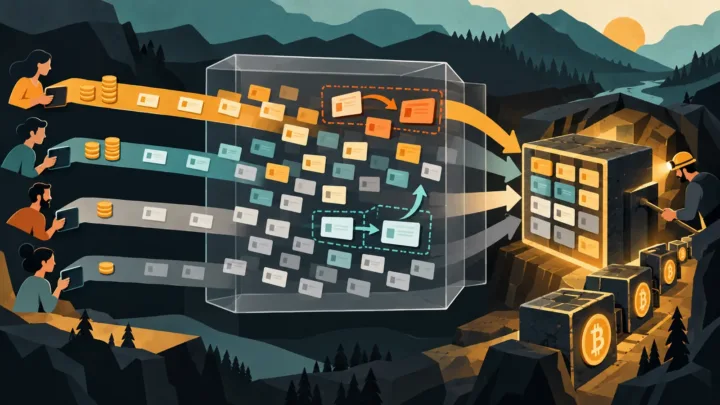
Rollups and other layer-2 networks bundle numerous operations before publishing data to Ethereum. They generally offer lower fees for transfers and DeFi. This saving comes with additional parameters: the bridge, withdrawal delay, data availability and security of the chosen network.
One useful strategy is to limit back-and-forth transfers. Sending ten small amounts from Ethereum to a layer 2 costs more than making one consolidated transfer, provided the custody risk and timing are properly managed. The major DeFi and RWA trends show why these networks are attracting an increasing share of activity.
Always verify the official bridge, the token contract and the destination network. Saving on gas does not offset sending an asset to an incompatible chain or a copy with no liquidity.
Avoid false savings
A token received for free may contain a malicious link. Do not try to sell it to “recover its value”: interacting with it may require a dangerous approval. Likewise, a website that promises to refund gas or cancel a confirmed transaction is often trying to obtain a signature.
A hardware wallet protects the key, but it still signs the action approved on screen. The guide to the limits of hardware wallets highlights the importance of checking the contract, network and amount.
Centralized services sometimes display withdrawal fees that have no direct connection to current gas costs. They apply their own fee schedule. Compare the withdrawal cost, spread and available network rather than looking only at the on-chain price.
A calculation method for every operation
Start by converting the estimated gas into ETH: multiply the units by the price in gwei, then divide by one billion. Convert the result into local currency using the current price. Add any protocol fees, the spread and the bridge cost.
For a swap, compare this total with the amount being exchanged. Paying 8 dollars for a 20-dollar operation represents 40% before even considering market risk. In that case, a layer 2, a consolidated amount or waiting for a quieter period may improve the outcome.
Finally, keep the hash, the actual cost and the operation’s finality. This information makes portfolio tracking easier and, depending on the country, can help with tax preparation.
Key takeaways
- Fees equal the gas actually used multiplied by the effective price of each unit.
- Randomly lowering the gas limit can cause an operation to fail without refunding the work consumed.
- Waiting, bundling actions and using a suitable layer 2 often reduces the total cost.
The right approach is to measure the full cost
Gas is only one part of the cost of a crypto operation. The spread, protocol fees, bridge and withdrawal can weigh more heavily. Carefully reviewing the wallet, checking the explorer and comparing the cost with the amount transferred are often enough to avoid disproportionate expenses. Speed should not replace checking before signing.