Bitcoin: £1,500 invested before Intersango’s collapse
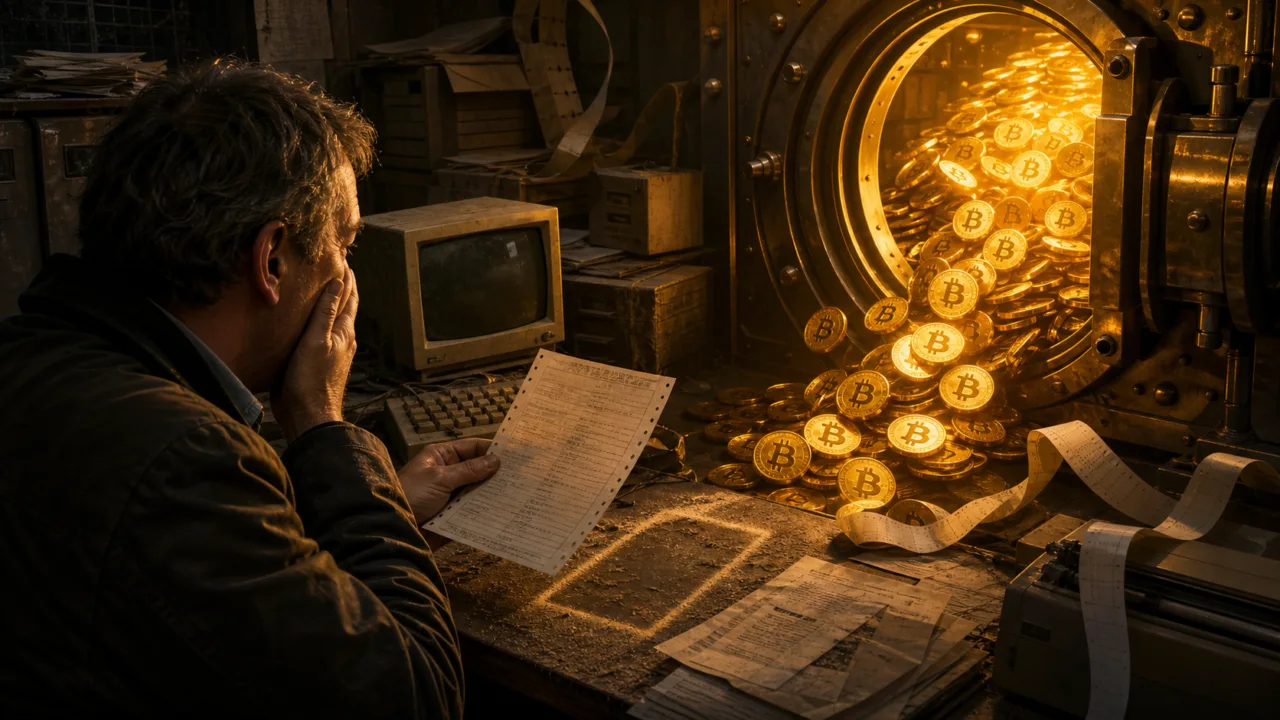
Chris discovered Bitcoin in 2011 after receiving advice from a friend passionate about financial markets. He cautiously invested £1,500 through Intersango, formerly known as Britcoin, one of the earliest British exchanges.
The story starkly illustrates the risk explained in our guide to crypto exchanges and fund custody: leaving BTC on a platform generally means entrusting it with the keys.
Intersango began experiencing difficulties as early as 2012. In early 2014, the website became inaccessible and users could no longer withdraw their funds. Chris’s account then held approximately £4,000 in Bitcoin.
He tried to recover his money. Without success.
Since Intersango was not regulated by the FCA, legal avenues were limited. Chris eventually came to regard his BTC as permanently lost, while watching their value soar over the years.
Twelve years later, 61 BTC reappear
In January 2026, encouraged in particular by his wife, Chris made one final attempt. He contacted CEL Solicitors.
The challenge was unusual: proving ownership of bitcoins purchased nearly fifteen years earlier. The firm recovered old bank statements, gathered the available documents and used blockchain-tracing techniques.
The blockchain makes it possible to track transactions without providing access to private keys. Here, that traceability became an important piece of evidence in the case.
The law firm CEL Solicitors details the recovery directly: Chris formally instructed it on January 20, 2026. An agreement was reached on May 28.
Result: all 61 BTC were returned to him.
Value at the time of settlement: £3,331,618.
Four months of proceedings to recover a fortune considered lost for twelve years.
More than 5,500 BTC may still be awaiting their owners
Chris’s story may not be an isolated case.
According to CEL Solicitors, a wallet associated with the former platform may still contain more than 5,500 BTC that could belong to former Intersango users. At current prices, several hundred million dollars could potentially be involved.
The situation highlights why self-custody remains central to the Bitcoin debate. Holding your own keys removes the risk of an exchange disappearing with the funds. It obviously transfers another risk to the user: losing access themselves.
Chris now plans to sell some of his bitcoins, buy a larger home for his family and keep the rest.
His 2011 investment therefore became remarkable not solely because of Bitcoin’s rise. Above all, it survived twelve years during which its owner believed he would never be able to recover it.