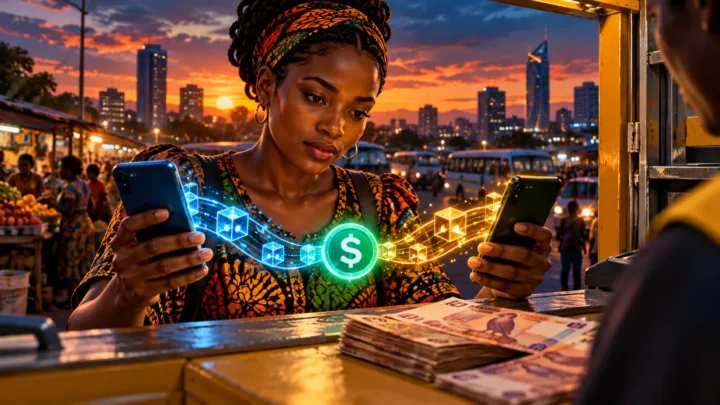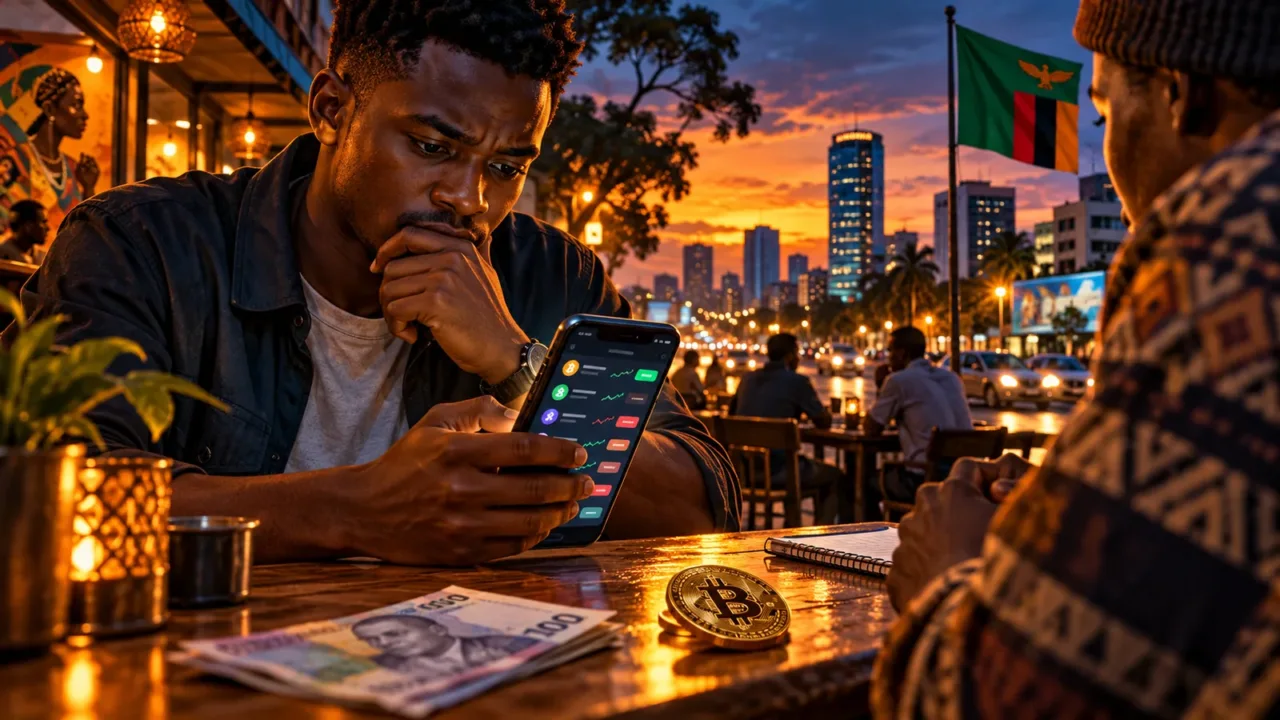
Searches for “Binance Zambia” often conflate four questions: does the app work, can users buy BTC or USDT with kwacha, is P2P available, and does the company hold a Zambian license? A positive answer to the first says nothing about the other three. An account opening successfully mainly shows that an interface is accepting registrations at that moment.
In September 2026, Zambia published directives regulating virtual asset service providers. They changed the framework, but do not justify calling Binance “licensed” without checking the entity, the authorized services and the official register. This guide presents an assessment method and does not recommend the platform.
In brief
- Binance availability, a kwacha pair or a payment method should be checked in the official interface at the time of the transaction.
- Bank of Zambia directives require a VASP license; prior registration or technical access does not prove that such a license exists.
- For P2P transactions, keep the order and escrow on the platform, verify payment in your own account and never share your keys.
Binance in Zambia: separating access, products and licensing
The BrefCrypto guide to crypto issues in Africa offers a starting point, but Binance requires checks at three levels. First, the account and features available to a Zambian user may change. Second, P2P does not operate like a direct bank deposit; it connects counterparties. Third, the company contracting with the user must be assessed under Zambian law.
An app available on Google Play or a website that opens from Lusaka does not prove that all of its products are accessible. Features vary according to country, verification level, currency, payment method and internal rules. Log in through official channels and review the options displayed for your account. Do not use a copied website or a link sent by a stranger.
The availability of a ZMW pair is not an authorization certificate either. It may indicate that a market or seller is quoting prices in kwacha. It does not mean the exchange is backed by a Zambian bank, that the provider holds a local license or that deposit protection covers the asset. Ask for the identity of the contracting entity, the currency actually debited and the beneficiary’s name.
The relevant regulatory document is the Bank of Zambia directive of September 18, 2026. It requires a license for persons providing virtual asset services in or from the country. Directive 52 gives businesses already operating a 12-month transition period to submit an application. For a large foreign exchange, the scope of this application and its status must be checked precisely; this guide has no confirmation of a license issued to a Binance entity.
Prior registration is not enough
In March 2026, the Bank of Zambia asked providers to register by March 27, including non-resident companies serving Zambians. The official notice of March 16 stated that registration was preparatory and represented neither a license nor official approval.
This distinction is essential when reading marketing materials. “Registered with the Bank of Zambia” may refer to a sector survey, not the license that became required in September. A platform may also claim to be “in compliance with the law,” a phrase that specifies neither the entity concerned nor the service category. Customers should request the license number and verify it in the register provided for under Directive 18.
The absence of confirmation on a Binance support page does not necessarily prove that the company has taken no steps. It only means users should not turn an unverified statement into fact. The information must come from the regulator or an official licensing document and must correspond to the company holding the account.
Entities may differ by product. Trading, custody, payments and an investment offering may not involve the same company or fall under the same regime. If a product represents a security or financial instrument, the Securities and Exchange Commission may have jurisdiction. A global brand may bring together several companies; identify the one named in the terms applicable to the Zambian user.
Kwacha P2P: how it works and the risks
P2P allows a buyer and seller to agree on a transaction. The platform may temporarily hold the seller’s assets in escrow while the buyer makes an off-chain payment, such as through a mobile or bank service offered by the counterparty. The platform may manage the order and dispute without being the issuer of the fiat payment.
The price may include a premium. Compare the ZMW debited with the BTC or USDT received after all fees. A seller offering a more favorable rate may set a high limit, request a payment method that is difficult to challenge or have little transaction history. Other users’ comments are not a guarantee, especially when they do not describe a comparable transaction.
Stay within the order interface. If the seller asks you to move to WhatsApp, Telegram or an unapproved third-party payment account, they may be trying to bypass escrow or anti-fraud controls. Do not confirm payment until the funds have left your account. A screenshot provided by the seller does not prove that a payment was received. Keep the order number and use the dispute procedure before it expires.
P2P does not override local rules. The platform provider, seller, payment operator and user have distinct roles. The Currency Directives explained by the Bank of Zambia maintain domestic settlement requirements in kwacha, subject to exceptions. Paying in USDT or involving a foreign operator does not automatically turn a domestic transaction into an activity exempt from those rules.
Deposits, withdrawals and account security
Before sending money, check the official deposit options and their conditions. A method listed in an old video may have disappeared or be limited to a particular account type. Check the company name, currency debited, limits, fees, processing time and identity documents requested. Do not transfer funds to a personal account presented by someone claiming to be a Binance agent.
Withdrawals are a more meaningful test than purchases. An account may show an internal balance without sending BTC to the blockchain. Check the process for withdrawing to a personal wallet, the supported network, the minimum amount and the fees. For USDT, the destination chain must match exactly. The Tether website lists the officially supported protocols, but Binance must also support the same network for the withdrawal in question.
Enable multifactor authentication that is not tied solely to a simple message request, review active sessions and set safeguards against address changes. Use a unique password. Fake support accounts may appear in the comments of an advertisement or in sponsored search results. Employees do not ask for a wallet’s seed phrase to resolve a transaction.
The BrefCrypto crypto guides on wallets and security explain that a custodial platform retains the access needed to control a customer’s assets. This convenience comes with dependence on withdrawals, compliance controls and service continuity. A personal wallet reduces that dependence but leaves the user solely responsible for securing their backup.
Trading fees do not always cover the full cost of a P2P transaction. The BrefCrypto guide to fees, spreads and withdrawals helps compare the amount actually debited with the quantity received and then with the exit fees.
When to avoid or postpone a transaction
Do not proceed if the website does not identify the responsible entity, if the payment beneficiary changes after the order is placed or if you are asked for a private key. Also avoid depositing rent money or funds you will need immediately. Crypto assets can fall quickly, and an additional verification request may temporarily lock an account.
An order to buy should serve a defined need. If the only argument is “everyone uses Binance” or “the offer expires in ten minutes,” take a step back. The platform does not guarantee Bitcoin’s future price, and a P2P seller does not guarantee your recourse. A small test and a known exit route can help assess the experience without eliminating the risks.
Binance may be a relevant name to examine because it is a major global brand; the name alone does not justify a deposit. In Zambia, check each product, the contracting company, local status, payment methods and withdrawals. If the official register does not confirm the status of a particular service, leave the question open rather than presenting an assumption as a license.
Sources and checks
- Bank of Zambia, Directives on Virtual Assets, 2026 (reproduction of the Gazette text by a third-party website), Directives 4, 5, 18, 52 and 54.
- Bank of Zambia, VASP registration notice of March 16, 2026.
- Bank of Zambia, notes on the Currency Directives.
- Tether, currently supported USDT protocols.
Binance’s current access for Zambian residents, its deposit methods and the regulatory status of a group entity were not individually confirmed for this guide. Check the official terms and the Bank of Zambia register before carrying out any transaction.