Crypto: GTA VI leaks become a fee-generating machine
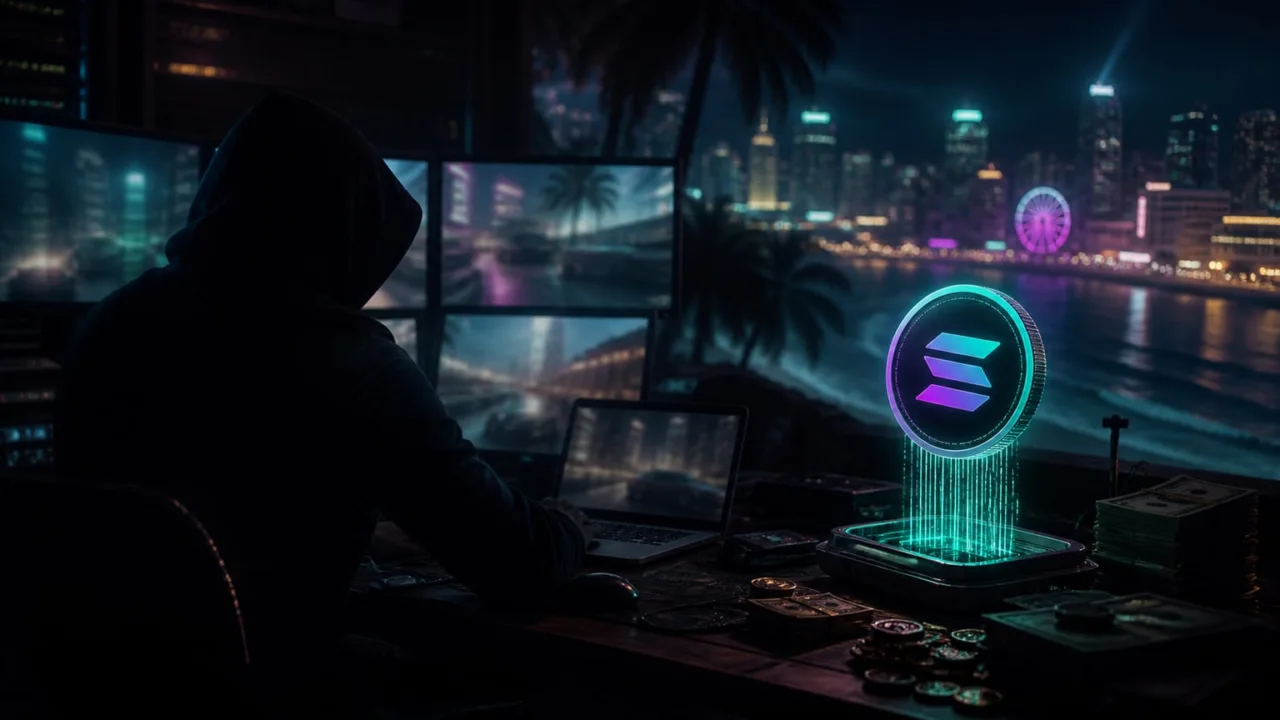
Cyberleek began releasing unreleased GTA VI videos in mid-August. The token’s name and messages encouraging the community to increase its market capitalization appeared in the footage. The method is reminiscent of the rug pulls and other speculative mechanisms described in our crypto glossary, although the strategy used here is more subtle.
According to on-chain data relayed by several specialist media outlets, the person behind the project reportedly earned most of the sum through liquidity-provider fees.
The more users traded CYBERLEEK, the more commissions the pools generated. The leaks created attention, The attention created volume, and the volume generated money.
Estimates vary slightly. Tom’s Hardware puts the figure at around $250,000, while other calculations reach approximately $270,000. However, none of the reliable sources consulted can confirm the $350,000 total sometimes cited.
CYBERLEEK capitalizes on attention surrounding the game
The token was launched around August 15 before surging as the videos circulated. An initial analysis identified approximately $146,000 in wrapped SOL recovered by the contract owner, along with 15.4 million tokens received as creation fees and then sold for approximately $125,000 worth of SOL.
Some of the funds were reportedly then sent to several wallets and OTC services. At least 91 SOL also reportedly reached KuCoin during the initial transfers.
This behavior highlights why memecoins remain the most speculative segment of the crypto market. Here, the raw material for speculation was not even a personality or a joke: it was content allegedly stolen from one of the most anticipated games in the world.
Rockstar is still trying to identify who is behind Cyberleek
One qualification remains essential: Cyberleek’s identity has not been publicly confirmed. In particular, Cyberleek should not be confused with Arion Kurtaj, a member of Lapsus$ who was convicted following the previous Rockstar hack in 2022.
Take-Two is now seeking to identify those responsible for the latest leaks. Microsoft, Discord, X and Google have notably been targeted by proceedings seeking information that could lead investigators to the relevant accounts.
For crypto, the episode primarily illustrates the power of an extremely simple model: create a token, artificially generate massive attention, then monetize every transaction produced by that audience.
Cyberleek did not even need to aggressively sell hundreds of millions of tokens to make money. Traders paid its revenue by trading among themselves.
After crypto fraud schemes based on fake returns, the GTA VI case shows another variation: when an audience becomes large enough, the volume itself can become the product.