Bitcoin: IMF Finally Explains El Salvador’s New BTC
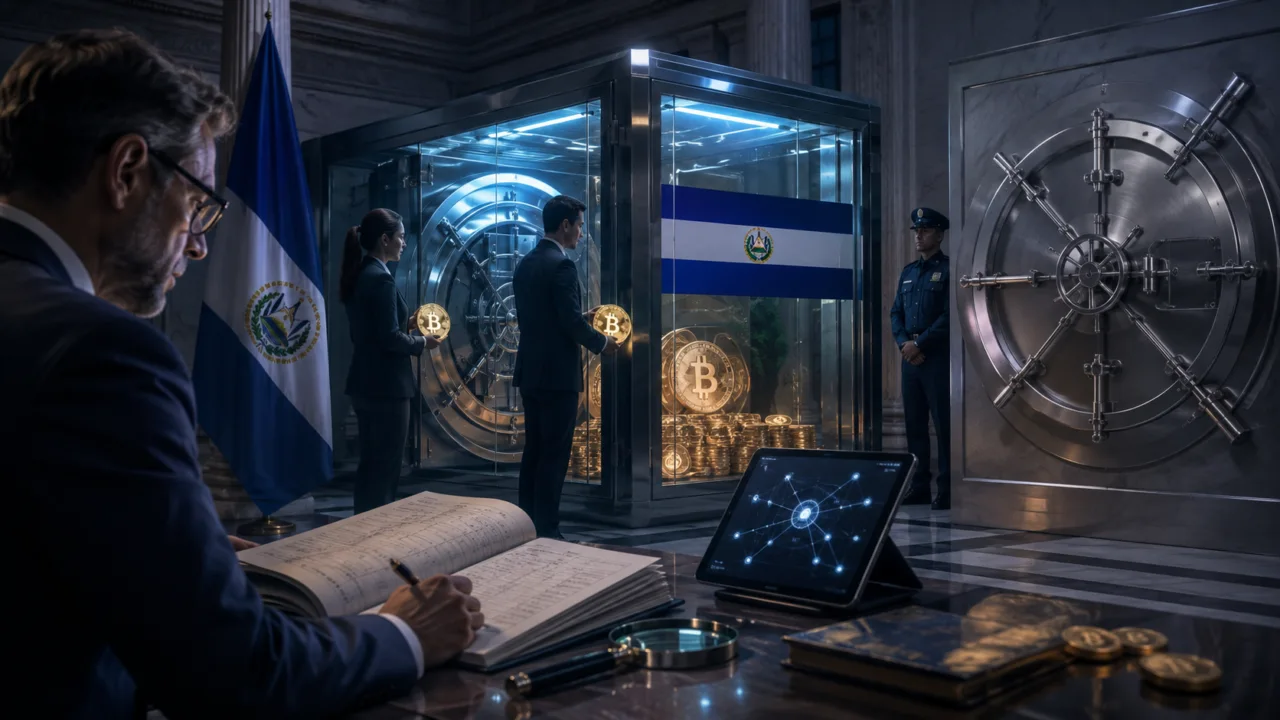
El Salvador now holds approximately 7,764 BTC in its official wallet. The increase had raised questions for several months, even though Bref Crypto had already detailed the restrictions imposed by the IMF on El Salvador’s Bitcoin project.
The agreement reached with the Fund notably called for limiting the public sector’s exposure to BTC. Yet the government tracker continued to record new bitcoins, sometimes at the symbolic rate of one BTC per day.
The IMF now says it has received documents tracing these movements.
All bitcoins added since the program’s first review, completed in June 2025, reportedly came from private donations. No public funding was allegedly used.
One detail remains unknown, however: the IMF has disclosed neither the donors’ identities nor the amounts contributed individually.
Bukele Keeps His Bitcoins Without Breaching the Agreement
The mechanism therefore allows El Salvador’s reserve to continue growing while technically remaining compliant with its commitments.
In its statement published on September 3, the IMF nevertheless specifies that no additional accumulation is expected beyond the donations already documented.
This clarification comes five years after El Salvador made Bitcoin the centerpiece of an unprecedented monetary experiment.
The project has since been significantly revised.
Accepting BTC in the private sector is now voluntary, taxes remain payable in dollars, and the state’s role in the Bitcoin ecosystem has been reduced.
Chivo illustrates this retreat particularly well. The government has just transferred the majority of the capital and operational control of its crypto wallet to a private operator that has not yet been identified. The state retains only a minority stake and certain responsibilities for safeguarding users’ assets.
The IMF Loosens the Pressure—but Not Completely
The clarification regarding Bitcoin primarily accompanies good financial news for San Salvador.
The IMF and the government have reached a staff-level agreement on the second and third reviews of the $1.4 billion financing program approved in 2025. Following approval by the Fund’s Executive Board, approximately $140 million in additional funding is expected to be released.
El Salvador’s economy is expected to grow by 4.5% in 2026, according to the IMF.
Bitcoin remains under scrutiny, however. The country has committed to strengthening the legal framework applicable to digital assets and the governance of cryptoassets held by the public sector.
The contrast with other national strategies is noteworthy. In the United States, the Treasury is also refusing to use taxpayers’ money directly to buy Bitcoin.
Bukele can therefore preserve his powerful political symbol without opening the state’s wallet. The IMF has simply revealed the channel: bitcoins continue to come in, but the bill is no longer public.